

Diploma in Counselling & Psychotherapy
Integrative Transpersonal Training
January 2028 – November 2030 (plus optional Year 4)
Monday 25th January 2027, 730pm-9pm
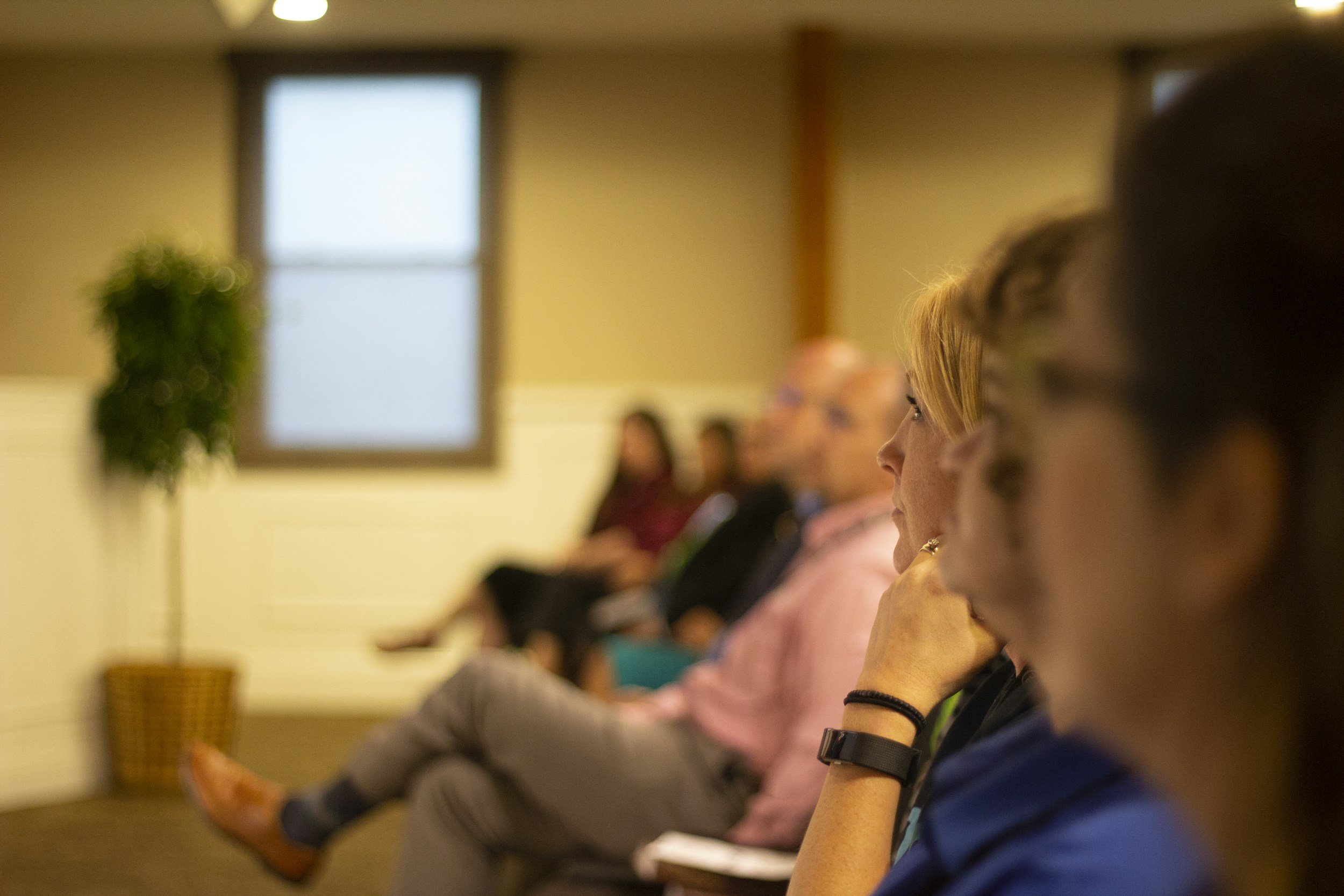
At its heart, psychotherapy is a relationship. Everything you learn begins here.
Our Diploma in Counselling & Psychotherapy is a three-year part-time professional training leading to qualification as an integrative psychotherapist and eligibility for BACP registration.
Becoming a psychotherapist is about far more than gaining a qualification. It is about developing the knowledge, judgement, emotional maturity and relational depth to sit alongside another human being through suffering, uncertainty, relationship, loss, meaning, change and growth.
Grounded in relational, Jungian, humanistic, psychodynamic and transpersonal philosophy, the training combines rigorous academic study with extensive supervised clinical practice, personal psychotherapy and experiential learning. Throughout the programme, you'll deepen not only your understanding of psychotherapy, but also your understanding of yourself and the profound responsibility that comes with this work.
Throughout the training, we never lose sight of the person sitting opposite the therapist. Every lecture, every placement, every supervision, every process group and every reflective conversation exists for one reason: to help you become the very best therapist you can be for your future clients.
This is a training for people who are committed to becoming excellent psychotherapists.
Part-time format
To sit alongside your other commitments

Hybrid learning
Online and in-person
In-person teaching weekends
Held in central London

Psychotherapy asks a great deal of the therapist.
So do we.

What this training is
The training draws from psychodynamic, humanistic, existential and transpersonal traditions, bringing them together within a genuinely integrative and relational approach to psychotherapy. Jungian thinking runs throughout the programme, offering a way of understanding the unconscious, symbolism, dreams, imagination and the lifelong process of becoming more fully ourselves.
We believe every client deserves to be understood within the context of their own life. Throughout the programme, students develop the knowledge, self-awareness and sensitivity to work ethically, compassionately and inclusively with people from all backgrounds, cultures and walks of life.
Throughout the Diploma, we encourage curiosity about certainty, reflection over assumption, and relationship alongside technique. Our aim is to develop psychotherapists who can think deeply, work ethically, and remain fully engaged with the complexity of the people they meet.
This is a training for people who are committed to becoming excellent psychotherapists.
The training at a glance
Duration
3 years, part-time (plus optional advanced Year 4)
Delivery
Hybrid — delivered via online and in-person lectures, seminars, tutorials, workshops and experiential learning
Start date
January 2028
Fees
£6,450 per year
Outcome
Eligibility for BACP registration as an integrative transpersonal psychotherapist
Mandatory
Personal therapy with a qualified psychotherapist throughout the training
Entry
Completion of the TGMHC Foundation Certificate, or prior counselling/psychotherapy training at equivalent level
The approach
Integrative Psychotherapy with a Transpersonal Perspective
Our Diploma Programme is rooted in integrative psychotherapy as a distinct therapeutic approach in its own right. Rather than learning competing schools of thought in isolation, students are supported to develop an integrated way of thinking that draws thoughtfully from psychodynamic, humanistic, existential and transpersonal traditions in service of the therapeutic relationship.
The transpersonal perspective recognises that psychological life cannot always be understood through symptom, diagnosis or behaviour alone. Alongside emotional and relational experience, it invites exploration of meaning, purpose, imagination, creativity, spirituality and soul, recognising that human beings naturally seek to make sense of themselves, their relationships and their place in the world. We encourage thoughtful enquiry into these deeper dimensions of human experience while remaining free from religious doctrine or fixed spiritual belief.
Jungian psychology is a central thread running throughout the programme. Alongside contemporary relational thinking, it offers a rich understanding of the collective unconscious, dreams, symbolism, imagination, the shadow and the lifelong process of psychological development. We believe Jung's ideas continue to offer profound insight into the complexity of human experience.
Alongside Jungian thinking, students engage deeply with psychodynamic, humanistic and existential theory, learning not simply what each approach says, but how each perspective can strengthen clinical thinking, deepen therapeutic relationships and enrich their understanding of the people they work with.
Our aim is not simply to teach theories, but to support students in developing a coherent therapeutic identity that is intellectually rigorous, clinically grounded, deeply relational and uniquely their own.
Developing You, the Therapist
We believe that becoming a psychotherapist is about much more than acquiring knowledge or learning techniques. Clinical knowledge and technical skill are essential, but so too are self-awareness, emotional maturity, reflective capacity and the ability to remain present with uncertainty and complexity.
Throughout the Diploma, students engage in ongoing personal psychotherapy, experiential weekends, process groups, supervision and reflective practice. These experiences support the development of the therapist alongside the development of clinical knowledge, helping students cultivate the judgement, authenticity and relational depth that effective psychotherapy requires.
The aim is not simply to qualify psychotherapists, but to develop practitioners who work with confidence, integrity, compassion and genuine humanity.
Working with the Whole Person
Like you, every client brings a unique history, relationships, culture, values and life experiences into the therapy room. Good psychotherapy begins with understanding the whole person.
Throughout the programme, students develop the awareness and sensitivity to work ethically, compassionately and inclusively with people from all backgrounds, cultures and walks of life. This understanding is woven throughout the training, encouraging students to remain curious, avoid assumptions, and respond thoughtfully to the complexity of each individual they meet.
The Diploma encourages thoughtful engagement with the wider contexts in which people live, recognising that family, relationships, identity, culture, sexuality, neurodiversity, faith, disability and life experience all shape psychological wellbeing and the therapeutic relationship.
Everything we teach ultimately exists to help students become the very best psychotherapists they can be for the people who place their trust in them.
Monday 25th January 2027, 730pm-9pm
Structure
The Diploma runs over three years, part-time, delivered from January to November each year across 30 teaching weeks. Delivery combines weekly online seminars with monthly in-person teaching weekends held in central London.
Each year has a distinct developmental focus. The programme moves from deepening self-awareness and theoretical grounding in Year 1, through increasingly sustained clinical work in Year 2, to integration, depth, and professional identity in Year 3.
An optional Year 4 is available for those wishing to extend their clinical practice and deepen their work before qualification.
Term dates TBC
-
Focus: Deepening self-awareness, relational capacity, and theoretical grounding
Year 1 consolidates and deepens the experiential learning of the Foundation Programme. Students develop their capacity for presence, attunement, and relational awareness, while engaging more rigorously with core theoretical models. Alongside this, students begin clinical training through a supported introductory placement, allowing for early relational contact in practice.
Areas of study
The therapeutic relationship as the primary site of change
Advanced relational skills and process awareness
Psychodynamic theory (Freud, Klein, Winnicott, Bion)
Humanistic and existential approaches (Rogers, Yalom, Frankl)
Introduction to transpersonal psychotherapy (Jung, Assagioli)
The unconscious, defence, and internal worlds
Attachment theory and developmental perspectives
Ethics, boundaries, and professional responsibility
Difference, identity, and the relational field
Clinical training
Introduction to practice through a befriending or relational support placement
Development of core relational capacities in real-world settings
Introduction to supervision and reflective practice
Experiential focus
Deepening self-reflection and awareness of personal process
Introduction to transference and countertransference
Participation in a facilitated process group, developing awareness of group dynamics, difference, and relational patterns
Developing the capacity to remain present with complexity and uncertainty
-
Focus: Developing clinical work and therapeutic capacity in practice
Year 2 marks the transition into more formal counselling practice. Students move into supervised counselling placements and begin working more consistently with clients. The emphasis shifts toward developing the capacity to think clinically, hold the therapeutic frame, and work relationally with clients over time.
Areas of study
The therapeutic frame and holding environment
Transference and countertransference (in depth)
Working with trauma and the nervous system (Levine, van der Kolk)
Working with grief, loss, and endings
Working with risk, safeguarding, and ethical complexity
Somatic and embodied approaches
Diversity, difference, and the social and political context of the therapeutic relationship
Clinical work related to sexuality and sexual identity
Working with rupture and repair in the context of difference
Psychopathology and clinical formulation
Clinical training
Transition into counselling placements with ongoing client work
Weekly supervision (individual and/or group)
Case discussion and clinical reflection
Development of ethical and professional accountability
Experiential focus
Participation in a process group, deepening understanding of relational dynamics, power, and difference
Tolerating uncertainty and responsibility in clinical work
Developing a stable and reliable therapeutic presence
Reflecting on impact, projection, and relational dynamics
-
Focus: Integration of theory, practice, and identity as a psychotherapist
Year 3 supports students in consolidating their clinical work, deepening theoretical integration, and developing a clear professional identity as a psychotherapist. There is a greater emphasis on complexity, depth work, and the therapist’s capacity to engage with unconscious, symbolic, and transpersonal dimensions of experience.
Areas of study
Jungian and transpersonal depth work — shadow, archetypes, alchemy, individuation
Working with the symbolic, imagination, and meaning
Advanced relational and psychodynamic practice
Working with complex and long-term presentations
Addiction, compulsion, and repetition
Spirituality, meaning, and existential crisis
Endings, integration, and the ethics of completion
Advanced work with identity, sexuality, gender, and relational diversity — including the impact of culture, stigma, and internalised narratives within long-term work
Professional identity, practice development, and readiness for qualification
Clinical training
Continued psychotherapy placement and client work
Completion of required clinical hours (minimum 300 supervised practice hours)
Advanced supervision and case presentation
Integration of theory into clinical formulation
Psychiatric placement experience; understanding mental health presentations within multidisciplinary settings
Preparation for independent practice
Experiential focus
Participation in a final-year process group, supporting integration of personal and professional identity
Development of an authentic therapeutic stance
Working at depth while maintaining ethical clarity and containment
Students may conclude their training in year three and achieve the diploma, or go on to the fourth advanced year of training
-
Focus: Advanced practice, depth work, and development beyond basic training
Year 4 is an advanced stage of training for those wishing to extend and deepen their clinical practice before becoming professional psychotherapists. Designed for those who have completed years 1-3 of the Diploma, it offers the opportunity to consolidate a clinical identity, refine theoretical thinking, and work with greater confidence, complexity, and symbolic awareness.
This fourth year leads to the qualification of Advanced Diploma. Trainees who go on to complete the fourth year will qualify as psychotherapists at the end of year four.
Advanced clinical training
Continued clinical placement with a focus on depth and continuity of work
Expansion of client hours toward 450 supervised clinical hours
Ongoing supervision and advanced case discussion
Development of longer-term and depth-oriented therapeutic work
Advances practice psychiatric placement experience, supporting the advanced development of skills in recognising, assessing, and working appropriately with complex mental health presentations within multidisciplinary settings
Areas of study
Advanced Jungian and transpersonal psychotherapy
Dreamwork and symbolic interpretation in clinical practice
The Shadow, projection, and unconscious communication at depth
Archetypal dynamics and individuation processes
Advanced work with trauma, fragmentation, and integration
Erotic transference, power, and boundary complexity
Advanced clinical work with LGBTQIA+ communities — identity, intimacy, shame, and relational complexity
The impact of socio-political context on psychological life and practice
Working with the imaginal, creativity, and symbolic process
Integration of theory into an authentic and individual clinical approach
Experiential focus
Advanced process group exploring depth dynamics, projection, and the group unconscious
Integration of personal and professional identity at depth
Refinement of therapeutic presence, authority, and ethical stance
Professional development
Consolidation of identity as an advanced practitioner
Preparation for independent or specialist practice
Exploration of clinical specialism and areas of interest

Monday 25th January 2027, 730pm-9pm
Your tutors
Your tutors bring decades of clinical experience, a passion for the practice of psychotherapy, and a belief in healing through human connection.
Guest Lecturers are integral to the delivery of specialist evening lectures and weekend training workshops.

Sarah Parry
CEO | Psychotherapist | Clinical Supervisor | Lecturer
Sarah Parry is the Founder and CEO of The Good Mental Health Company, where she oversees a range of psychotherapy, training and wellbeing services. She is a practising UKCP registered psychotherapist, clinical supervisor and educator with a longstanding interest in human development, personal growth and the factors that enable meaningful change.
-
Before training as a psychotherapist, Sarah worked across the education, public and charitable sectors in leadership, project management, consultancy and teaching roles. She has managed charities, advised organisations through periods of change and founded a personal development organisation. These experiences continue to shape her understanding of individuals, groups and organisations.
Sarah holds a degree in Psychology, a Master’s degree in Health Education and Health Promotion, and a Postgraduate Diploma in Integrative Transpersonal Counselling and Psychotherapy. She is also qualified in clinical supervision and adult education.
Her clinical work draws on psychodynamic, Jungian, humanistic and relational traditions. She is particularly interested in the ways unconscious processes influence relationships, identity, organisations and culture.
Sarah is passionate about psychotherapy training and believes that the wisdom of thinkers such as Freud, Jung, Winnicott, Klein and Yalom remains deeply relevant today. Alongside a team of experienced clinicians, she is committed to creating learning experiences that are intellectually rigorous, personally meaningful and firmly connected to contemporary clinical practice.
Whilst students will learn from a range of experienced tutors, Sarah remains closely involved in the programme and oversees its development, ensuring that the quality of the learning experience reflects the standards and values on which The Good Mental Health Company was founded.
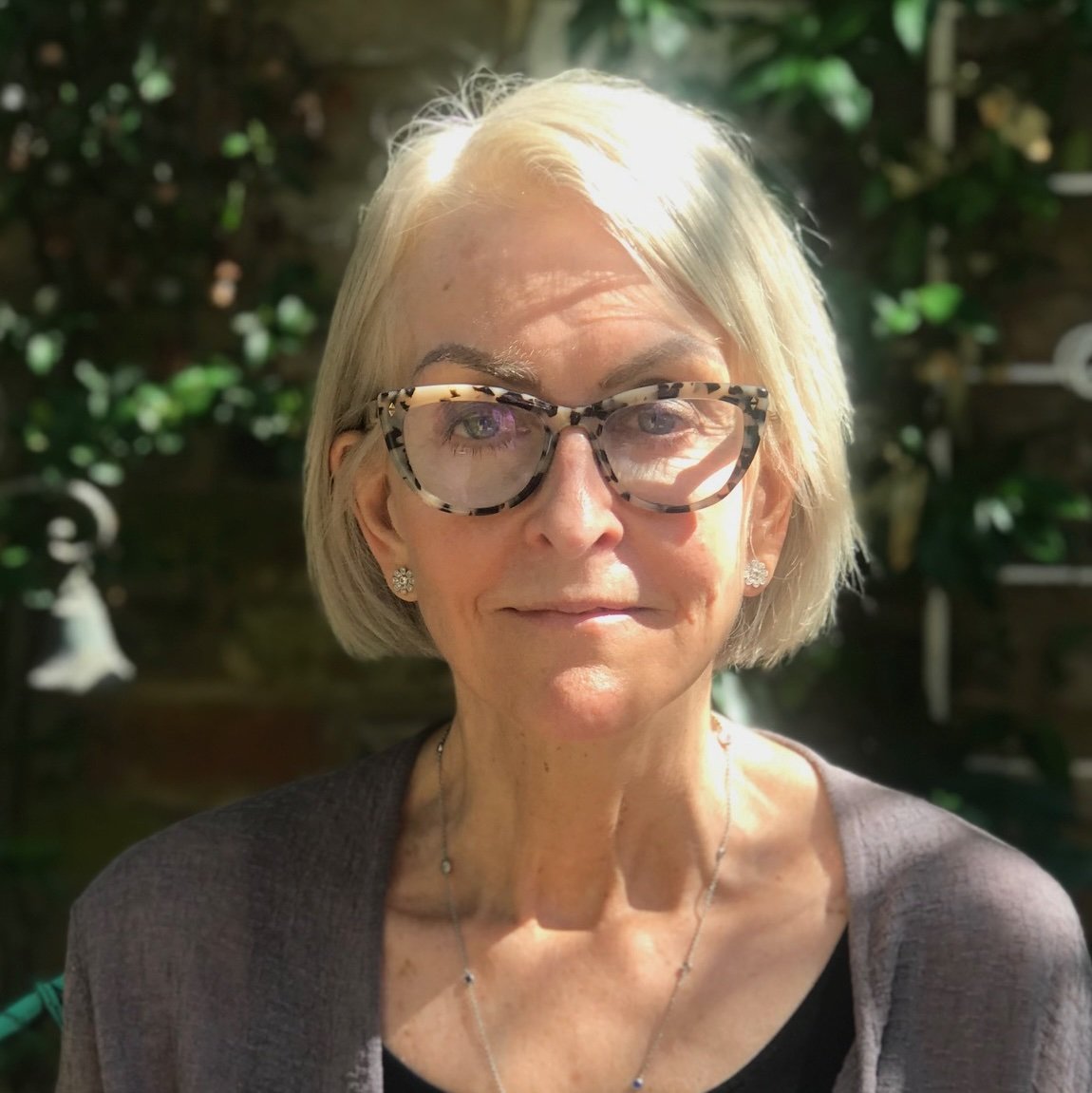
Elena Adams
Psychotherapist | Director of Professional Standards | Clinical Supervisor | Lecturer
Elena Adams is a UKCP-registered psychotherapist, clinical supervisor and educator with extensive experience working with adults, children, young people and families. Alongside her clinical practice, she teaches psychotherapy at both undergraduate and postgraduate level, supporting the development of future practitioners and helping students connect theory with lived experience and clinical practice.
-
Elena trained in systemic psychotherapy and holds a deeply relational view of human experience, understanding individuals within the wider contexts of family, community, culture and society. Her work is also informed by transpersonal perspectives, with an interest in meaning, personal growth and the ways people make sense of themselves and their lives.
Before becoming a psychotherapist, Elena worked for many years in television, communications and event management, running her own production company and leading creative projects across corporate and broadcast settings. These experiences continue to inform her understanding of people, relationships, organisations and the challenges of navigating change.
As a teacher, Elena is known for creating thoughtful and engaging learning environments that encourage curiosity, reflection and dialogue. She is passionate about supporting students to develop both personally and professionally, helping them build confidence, self-awareness and a deeper understanding of the therapeutic relationship.
Alongside her teaching and clinical work, Elena supports a range of charitable and community-based initiatives and is pleased to contribute her experience and expertise to The Good Mental Health Company’s Foundation training programme.
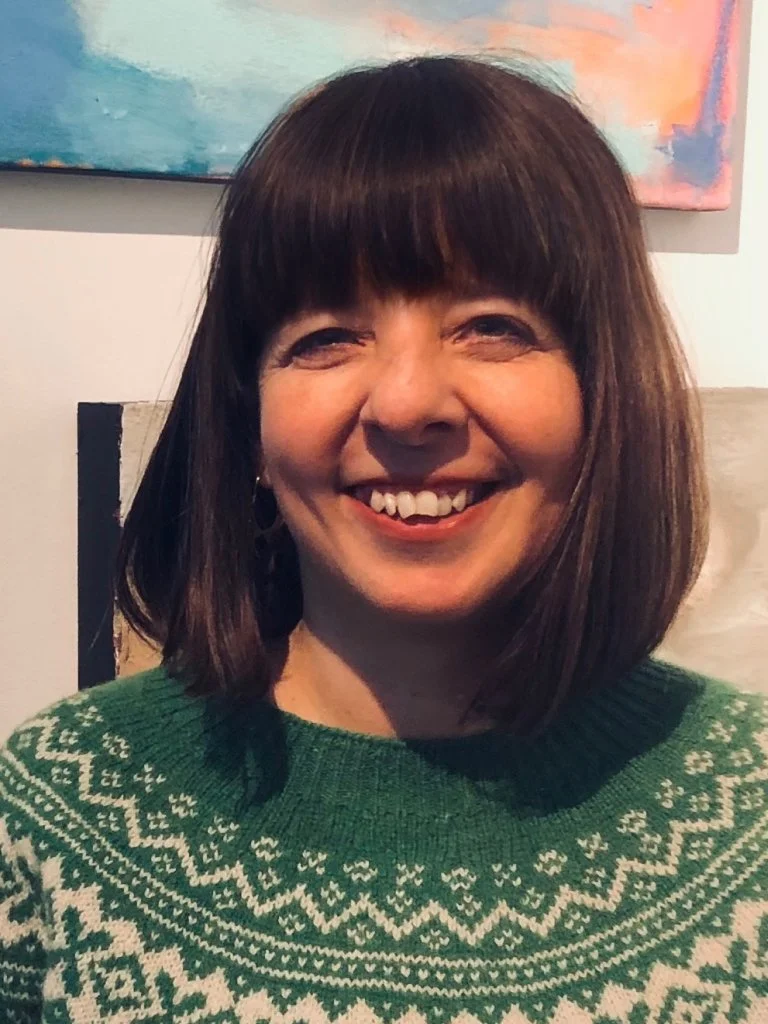
Maria Pierides
Senior Psychotherapist | Clinical Supervisor | Lecturer
Maria Pierides is the Supervising Director of The Good Mental Health Company, where she oversees clinical placements and contributes to the training and development of trainee therapists. She is an HCPC-registered Art Psychotherapist, clinical supervisor and educator, working in both organisational settings and private practice.
-
Originally trained as both an artist and psychotherapist, Maria’s academic and clinical interests lie at the intersection of creativity, symbolism and psychological development. She holds a Postgraduate Diploma in Art Psychotherapy and her work is informed by psychodynamic, psychoanalytic and relational traditions, with a particular focus on the role of imagery, representation and symbolic expression in facilitating psychological insight and emotional transformation.
Maria has a longstanding interest in the contribution of unconscious processes to human experience and relationships. Drawing on object relations and post-Kleinian theory, particularly the work of Wilfred Bion, she is interested in how emotional experience is contained, processed and thought about within therapeutic and supervisory relationships. Her clinical and supervisory practice places particular emphasis on the development of reflective capacity, the use of countertransference as a source of clinical understanding, and the creation of conditions that support psychological growth.
Alongside her clinical work, Maria has extensive experience supporting trainees and early-career practitioners. She is committed to fostering rigorous reflective practice and encouraging students to engage critically with theory whilst remaining attentive to the lived, relational and emotional dimensions of therapeutic work.
Maria brings a thoughtful and integrative approach to teaching, combining psychodynamic scholarship with clinical experience. She is particularly interested in supporting students to develop the capacity to think psychologically, engage with complexity and cultivate a deeper understanding of both themselves and the clients with whom they work.
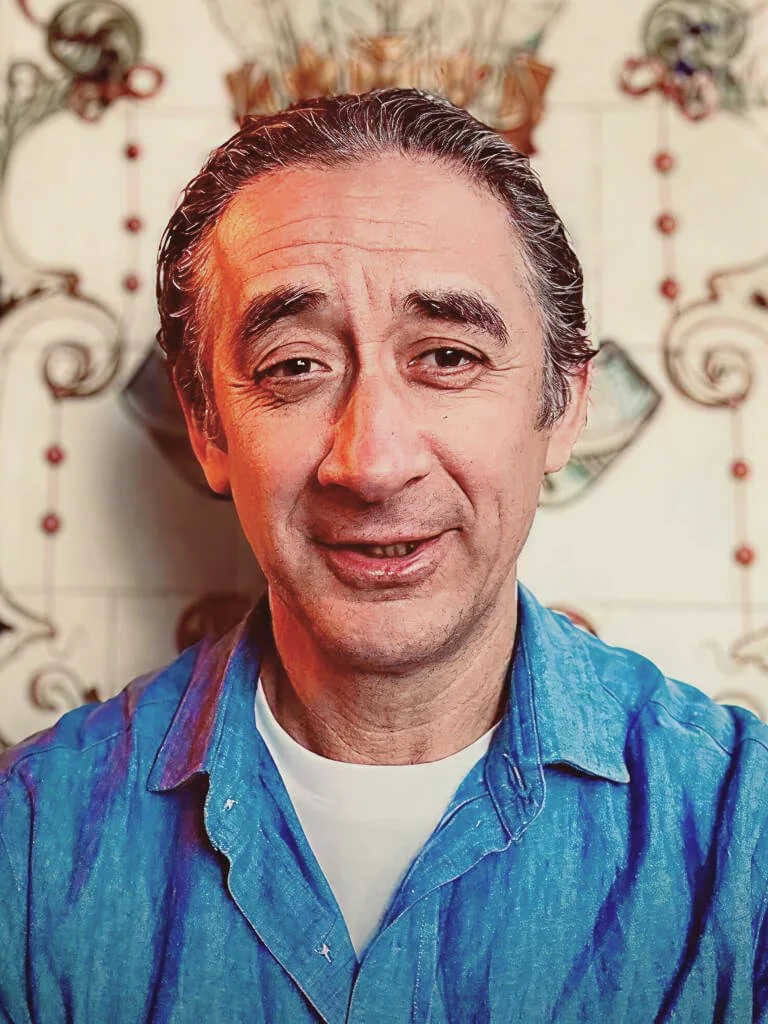
Glenn Delikan
Acupuncturist | Master Martial Artist | Principal Lecturer of Transpersonal Studies
Glenn Delikan brings over four decades of experience exploring the relationship between body, mind, psyche and human development. His multidisciplinary background spans acupuncture, martial arts, movement, bodywork, nutrition, rehabilitation, education and therapeutic practice, providing students with a deeply embodied perspective on psychological wellbeing and personal transformation.
-
As Principal Lecturer of Transpersonal Studies, Glenn introduces students to the transpersonal dimension of psychotherapy, exploring questions of consciousness, meaning, purpose, symbolism, spirituality and the lifelong process of human growth. Drawing on Eastern philosophical traditions alongside contemporary relational, trauma-informed and integrative thinking, he encourages students to understand psychological distress within the wider context of the whole person.
Glenn’s teaching invites students to think beyond diagnosis and symptom reduction, developing the capacity to work with the interconnected physical, emotional, relational and spiritual dimensions of experience. His approach reflects the belief that psychotherapy is concerned not only with relieving suffering, but also with supporting individuals in discovering greater authenticity, resilience and meaning in their lives.
Alongside his teaching, Glenn has extensive clinical experience supporting people experiencing stress, anxiety, chronic pain, fatigue, injury recovery, psychosomatic presentations and emotional overwhelm. His work is collaborative, compassionate and grounded in the understanding that healing involves the integration of body, psyche and soul.
Glenn brings a distinctive transpersonal perspective to the programme, helping students cultivate both clinical depth and an appreciation of the profound mystery and complexity of being human.
Assessment and progression
Assessment within the Diploma is ongoing, reflective, and grounded in clinical practice. Students are evaluated not only on their academic understanding, but on their development as practitioners within the therapeutic relationship.
Assessment methods include
Written assignments integrating theory, clinical thinking, and personal reflection
Ongoing evaluation of clinical work through supervision
Case presentations and reflective discussion
Assessment of ethical awareness, professional conduct, and capacity to work safely with clients
Engagement in experiential learning, including group process
Clinical supervisors contribute to the assessment of students’ readiness for progression. Progression through the training is dependent on students demonstrating sufficient clinical competence, relational capacity, and ethical responsibility at each stage.
Outcome
Graduates of the Diploma leave the training as grounded, reflective, and relationally capable psychotherapists, ready to practise across a range of clinical settings.
Successful completion of the three-year programme supports eligibility for BACP registration, subject to meeting all required criteria — including completion of a minimum of 300 supervised clinical practice hours.
The training does not simply produce practitioners. It forms them.
The training pathway
The Diploma forms part of a structured professional training pathway at TGMHC:
Foundation Certificate in Counselling & Psychotherapy (1 year) — an immersive introduction to therapeutic practice and personal development
Diploma in Counselling & Psychotherapy (3 years) — professional training toward qualification as an integrative transpersonal psychotherapist
Year 4: Advanced Clinical Practice (optional) — deepening beyond qualification for those wishing to extend their practice
The Foundation Certificate is the standard entry point for the Diploma. Applicants with prior counselling or psychotherapy training at equivalent level are also welcome to apply.
Fees
Application fee: £75
Course fee: £6,450 per year
(including a £300 non-refundable deposit)
Payment plans may be available — please contact us for further information.
Monday 25th January 2027, 730pm-9pm
Next online open evening
Monday 25th January 2027, 730pm-9pm
Learn more about our diploma and what to expect.